How To Solve Hot Water Leakage From Your Water Heater
Read Time:5 Minute, 38 Second
A leaking water heater is a common household problem that can quickly turn into a serious issue if not addressed promptly. Hot water leakage not only wastes energy and increases utility bills but can also cause significant damage to floors, walls, and surrounding structures. Many homeowners may ignore small leaks at first, but even minor issues can escalate into costly repairs if left untreated.
Understanding how to identify and fix water heater leaks is essential for maintaining a safe and efficient home. Whether the problem is caused by loose connections, worn-out components, or internal tank issues, taking the right steps can help prevent further damage. This article provides practical guidance on how to diagnose and solve hot water leakage problems, helping homeowners protect their property and ensure their water heating system operates effectively.
Identifying the Source of the Leak
The first step in fixing a leaking water heater is identifying where the leak is coming from. Water heaters have several components, including pipes, valves, and the tank itself, all of which can be potential sources of leakage. Carefully inspecting the unit can help determine the exact cause of the problem.
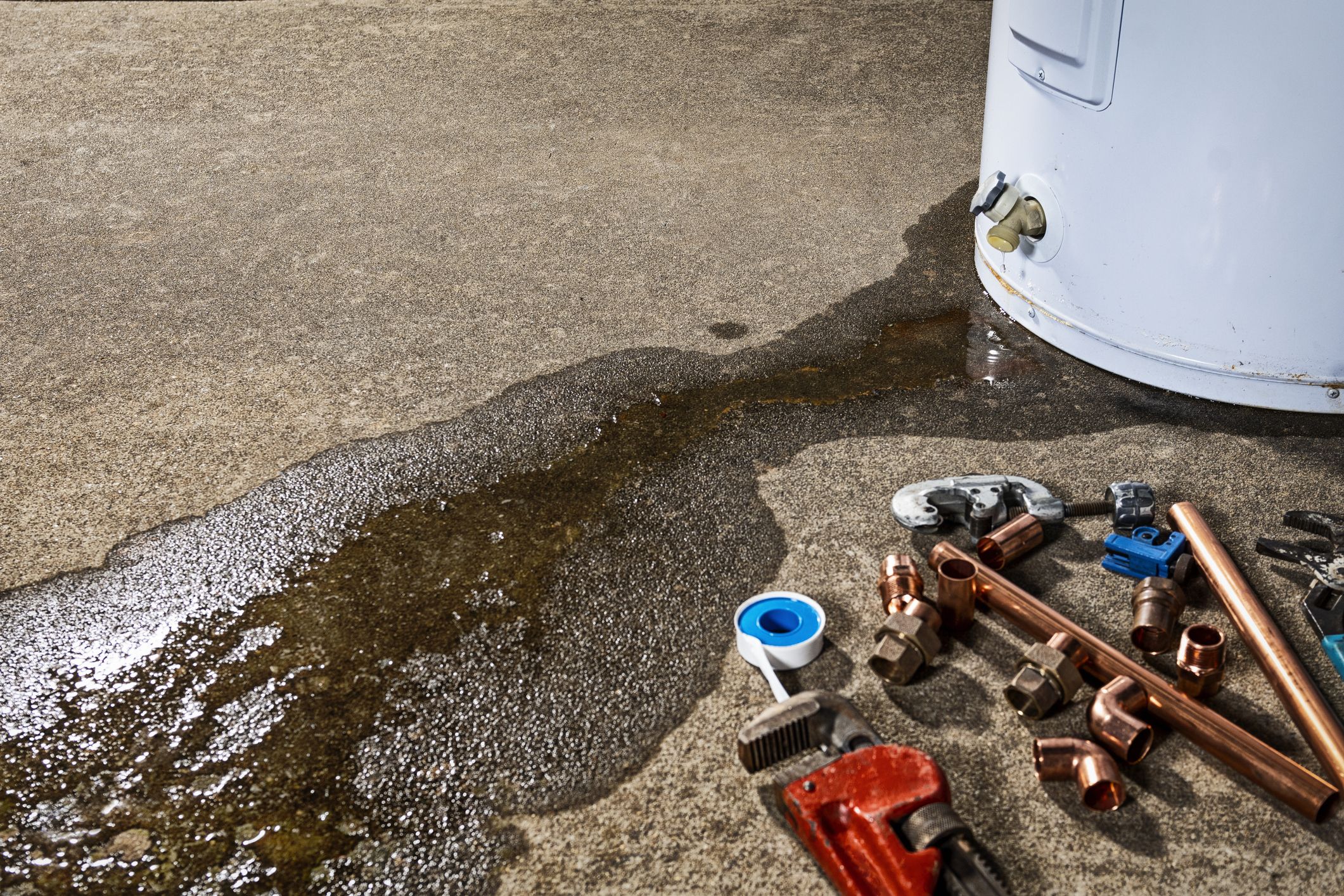
Common leak points include the inlet and outlet connections, pressure relief valve, drain valve, and the base of the tank. Each of these areas should be checked for signs of moisture, corrosion, or dripping water. Identifying the source early allows for quicker and more effective repairs.
It is also important to differentiate between condensation and actual leaks. In some cases, water droplets may form due to temperature differences, which is not necessarily a sign of damage. For those exploring water heater maintenance and leak repair solutions, accurate diagnosis is essential before taking any corrective action.
Tightening Loose Connections and Fittings
Loose connections are one of the most common causes of water heater leaks. Over time, vibrations and regular use can cause fittings to loosen, leading to small but persistent leaks. Fortunately, this issue is often easy to fix.
Using basic tools such as a wrench, homeowners can carefully tighten loose connections on pipes and valves. It is important to avoid over-tightening, as this can damage the fittings and create additional problems. Ensuring that all connections are secure helps prevent further leakage.
In some cases, replacing worn-out washers or seals may be necessary. These small components play a crucial role in maintaining a watertight system. Addressing loose connections promptly can prevent minor issues from becoming major repairs.
Checking and Replacing the Pressure Relief Valve
The pressure relief valve is a safety feature designed to release excess pressure from the water heater. If this valve becomes faulty or damaged, it can cause water to leak. Checking the condition of the valve is an important step in troubleshooting leaks.
To test the valve, homeowners can carefully lift the lever to see if water flows out and then stops when released. If the valve continues to leak or does not function properly, it may need to be replaced. A malfunctioning pressure relief valve can also indicate underlying pressure issues within the system.
Replacing the valve is a relatively straightforward process, but it should be done with caution. Ensuring that the new valve is properly installed helps maintain the safety and efficiency of the water heater.
Inspecting the Drain Valve for Damage
The drain valve is another common source of leaks. This valve is used to empty the tank for maintenance purposes, but it can become loose or damaged over time. Even a small crack or improper seal can result in continuous dripping.
If the drain valve is leaking, it may be possible to tighten it slightly to stop the flow. However, if the valve is worn or damaged, replacement is often the best solution. Using a high-quality replacement ensures better durability and performance.
Regular inspection of the drain valve can help prevent unexpected leaks. Keeping this component in good condition is an important part of maintaining the overall functionality of the water heater.
Dealing with Tank Leaks and Corrosion
If the leak is coming from the tank itself, the issue is more serious. Tank leaks are often caused by corrosion or internal damage, which can occur over time as the water heater ages. Unfortunately, this type of problem usually cannot be repaired easily.
Corrosion weakens the structure of the tank, leading to cracks or holes that allow water to escape. In such cases, replacing the entire water heater is often the most practical solution. Continuing to use a damaged tank can result in significant water damage and safety risks.
Regular maintenance, such as flushing the tank and checking the anode rod, can help extend the lifespan of the water heater and reduce the risk of corrosion. However, once the tank is compromised, replacement becomes necessary.
Preventive Maintenance to Avoid Future Leaks
Preventing leaks is always better than dealing with repairs. Regular maintenance helps keep the water heater in good condition and reduces the likelihood of problems. This includes checking connections, inspecting valves, and monitoring the overall performance of the system.
Flushing the tank periodically removes sediment buildup, which can contribute to corrosion and inefficiency. Replacing worn-out components before they fail also helps maintain the integrity of the system.
Homeowners should also schedule professional inspections when necessary. Experts can identify potential issues that may not be visible during routine checks. For those seeking long-term solutions, a complete home maintenance and plumbing care guide can provide valuable insights into keeping systems running smoothly.
When to Call a Professional
While many water heater issues can be resolved with basic troubleshooting, some situations require professional assistance. Complex problems, such as severe leaks, electrical issues, or gas-related concerns, should be handled by qualified technicians.
Professional plumbers have the expertise and tools needed to diagnose and fix problems safely and effectively. Attempting to repair complex issues without proper knowledge can lead to further damage or safety hazards.
Knowing when to seek professional help is an important part of maintaining a safe home. Prompt action can prevent minor issues from escalating into major repairs and ensure that the water heater operates efficiently.
Conclusion
Fixing a leaking water heater requires a combination of proper diagnosis, timely repairs, and regular maintenance. By identifying the source of the leak and addressing issues such as loose connections, faulty valves, or damaged components, homeowners can prevent further damage and maintain the efficiency of their system. While some problems can be resolved with simple solutions, more serious issues like tank corrosion may require replacement or professional assistance. Taking a proactive approach to maintenance not only reduces the risk of leaks but also extends the lifespan of the water heater. Ultimately, understanding how to manage and prevent hot water leakage ensures a safer, more efficient home environment.

Happy
0 %

Sad
0 %

Excited
0 %

Sleepy
0 %

Angry
0 %

Surprise
0 %
 0
0
 0
0