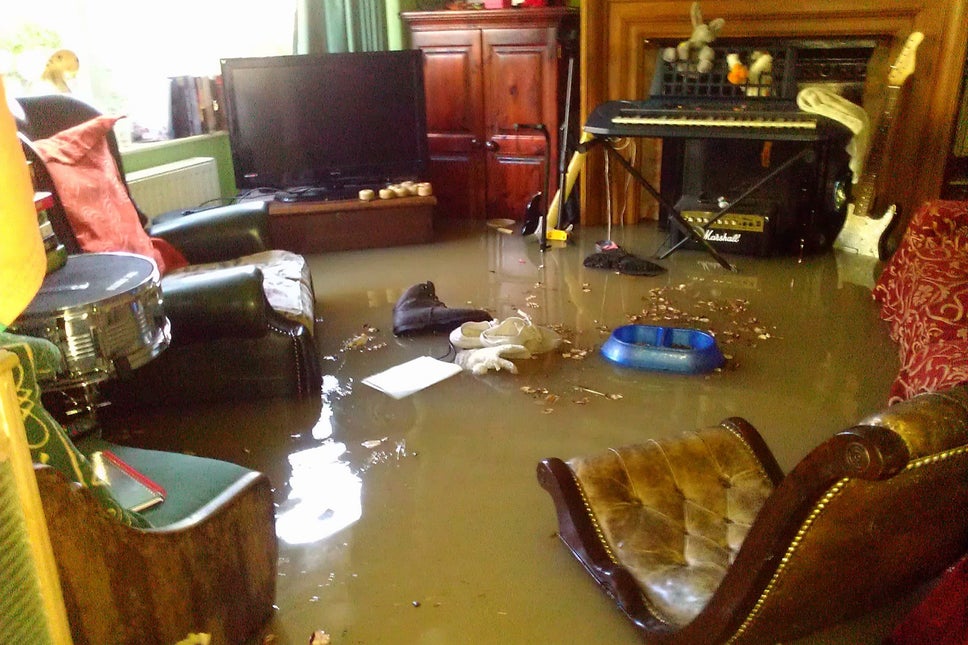
How To Plan For A Flood If You Live In Chatsworth
Read Time:4 Minute, 53 Second
Flooding can occur unexpectedly and cause significant damage to homes, property, and personal safety. For residents living in areas like Chatsworth, where certain locations may be more vulnerable to heavy rainfall or drainage issues, being prepared is essential. Proper planning can make a major difference in minimizing damage and ensuring the safety of family members during a flood.
Understanding how to prepare for a flood involves more than just reacting to warnings. It requires proactive steps such as assessing risks, safeguarding property, and having a clear emergency plan. By taking the right precautions, homeowners can reduce potential losses and respond effectively in case of an emergency. This article provides a comprehensive guide to flood preparedness in Chatsworth, helping residents protect their homes and stay safe.
Understanding Flood Risks in Chatsworth
The first step in flood preparedness is understanding the specific risks associated with the area. Chatsworth, like many regions, may experience flooding due to heavy rainfall, poor drainage systems, or nearby water sources. Identifying whether a property is located in a flood-prone area is crucial for planning.
Homeowners should review local flood maps and consult with local authorities to determine their level of risk. These resources provide valuable information about historical flooding patterns and potential hazards. Understanding these risks allows residents to take targeted precautions and make informed decisions.
It is also important to consider environmental factors such as elevation and proximity to rivers or stormwater systems. By assessing these elements, residents can better understand their vulnerability and prepare accordingly. For those exploring property flood risk assessment and safety planning, this knowledge forms the foundation of effective preparation.
Creating a Flood Emergency Plan
Having a clear and well-structured emergency plan is essential for responding quickly during a flood. This plan should include evacuation routes, emergency contacts, and designated safe areas for family members. Knowing what to do in advance can reduce panic and ensure a more organized response.
Families should discuss and practice their emergency plans regularly. This ensures that everyone understands their roles and responsibilities. It is also important to identify multiple evacuation routes in case primary paths become inaccessible.
Communication is a key component of any emergency plan. Keeping a list of important phone numbers and ensuring that all family members can stay connected during an emergency is vital. A well-prepared plan increases the chances of staying safe and minimizing risks during a flood.
Protecting Your Home and Property
Taking steps to protect a property can significantly reduce the impact of flooding. One of the most effective measures is installing flood barriers or sandbags around entry points such as doors and windows. These barriers help prevent water from entering the home.
Elevating valuable items and electrical appliances is another important precaution. Keeping essential belongings above potential flood levels can minimize damage and reduce financial losses. Waterproofing basements and sealing cracks in walls can also help prevent water intrusion.
Regular maintenance of drainage systems is equally important. Clearing gutters and ensuring proper water flow can reduce the risk of flooding around the property. These proactive measures help safeguard homes and improve resilience against flooding.
Preparing an Emergency Kit
An emergency kit is a crucial part of flood preparedness. It should include essential items such as food, water, medications, and important documents. Having these supplies readily available ensures that families can manage during and after a flood.
Other important items to include are flashlights, batteries, first aid supplies, and portable chargers. These tools help maintain safety and communication during power outages or emergencies. It is also advisable to include clothing and personal hygiene items.
The emergency kit should be stored in an easily accessible location and checked regularly to ensure that all items are up to date. Being prepared with the right supplies can make a significant difference in handling unexpected situations.
Understanding Insurance and Financial Protection
Flood insurance is an important consideration for homeowners in flood-prone areas. Standard home insurance policies may not cover flood damage, making it essential to review coverage options carefully. Investing in flood insurance can provide financial protection and peace of mind.
Homeowners should also document their property and belongings. Taking photos and keeping records can help support insurance claims in the event of damage. This preparation ensures a smoother claims process and quicker recovery.
Financial planning is another key aspect of flood preparedness. Setting aside emergency funds can help cover unexpected expenses and support recovery efforts. For those seeking guidance, a complete property protection and emergency preparedness guide can provide valuable insights into managing risks effectively.
Staying Informed and Responding to Warnings
Staying informed about weather conditions and flood warnings is essential for timely action. Residents should monitor local news, weather updates, and official alerts to stay aware of potential risks. Early warnings provide valuable time to prepare and take necessary precautions.
Signing up for emergency alerts and notifications can help ensure that important information is received promptly. These alerts often include evacuation instructions and safety guidelines, helping residents respond effectively.
During a flood, it is important to follow official guidance and avoid unnecessary risks. Evacuating when advised and avoiding flooded areas can prevent accidents and ensure safety. Being informed and responsive is key to managing flood situations successfully.
Conclusion
Flood preparedness is essential for protecting both property and personal safety, especially for residents in areas like Chatsworth where environmental factors may increase the risk. By understanding potential hazards, creating a clear emergency plan, and taking proactive steps to safeguard homes, individuals can significantly reduce the impact of flooding. Preparing an emergency kit, securing proper insurance coverage, and staying informed about weather conditions further strengthen readiness. While floods can be unpredictable, proper planning and awareness provide a strong defense against potential damage and danger. Ultimately, being prepared not only protects physical assets but also ensures peace of mind and safety for families in times of uncertainty.

Happy
0 %

Sad
0 %

Excited
0 %

Sleepy
0 %

Angry
0 %

Surprise
0 %
 0
0
 0
0