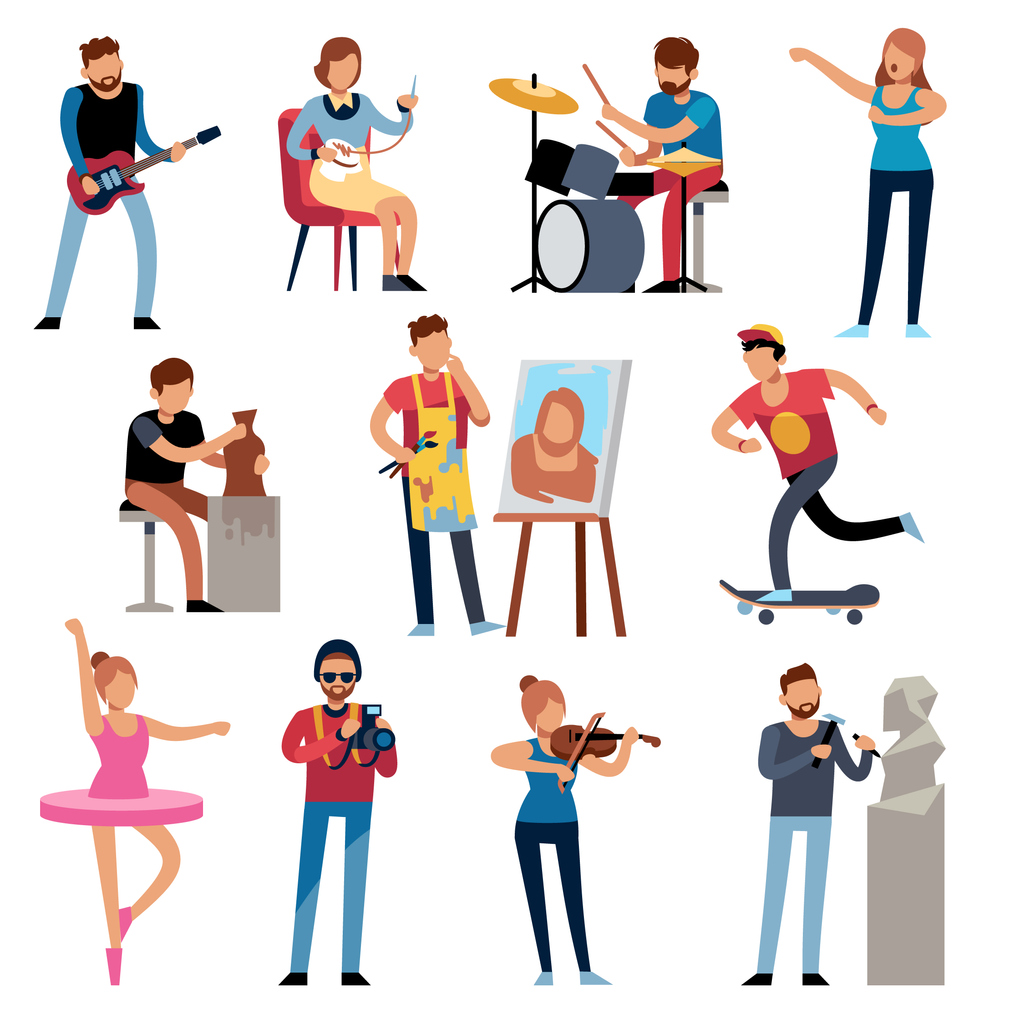
Sample Answer For The Hobbies You Should Talk About When Filling Out A Resume
Read Time:5 Minute, 31 Second
When filling out a resume, many job seekers focus heavily on work experience and education, often overlooking the importance of hobbies. However, hobbies can provide valuable insight into a candidate’s personality, skills, and work ethic. Employers increasingly look for well-rounded individuals, and the right hobbies can help demonstrate qualities such as creativity, teamwork, leadership, and discipline. Including relevant hobbies can make a resume stand out and leave a positive impression.
The key is knowing which hobbies to include and how to present them effectively. Not all hobbies add value, and some may even distract from a professional image if not chosen carefully. By understanding how to align hobbies with job requirements, candidates can enhance their resumes and increase their chances of success. This article provides practical guidance, including sample answers and tips, to help job seekers choose and present hobbies that strengthen their applications.
Why Hobbies Matter on a Resume
Hobbies may seem like a minor section on a resume, but they can play a significant role in shaping an employer’s perception. They offer a glimpse into a candidate’s interests and how they spend their time outside of work. This information can help employers assess cultural fit and identify soft skills that may not be evident from work experience alone.
For example, a candidate who participates in team sports may demonstrate teamwork and collaboration, while someone who enjoys writing or blogging may showcase creativity and communication skills. These qualities are highly valued in many professional environments and can set a candidate apart from others with similar qualifications.
Including hobbies also helps create a more personal connection with the employer. It provides an opportunity for conversation during interviews and can make the candidate more memorable. For those looking to improve their applications, understanding resume hobbies examples for job applications can make a meaningful difference in how their profile is perceived.
Choosing the Right Hobbies to Include
Selecting the right hobbies is essential for creating a strong impression. Candidates should focus on hobbies that reflect positive traits and are relevant to the job they are applying for. Activities that demonstrate skills such as leadership, problem-solving, or creativity are particularly valuable.
It is important to avoid including hobbies that are too generic or unrelated to the role. For instance, simply listing “watching movies” may not add much value unless it is tied to a specific interest or skill. Instead, candidates can frame hobbies in a way that highlights their benefits, such as analyzing films or creating video content.
Relevance is key when choosing hobbies. Candidates should consider the requirements of the job and select hobbies that align with those expectations. This thoughtful approach ensures that the hobbies section supports the overall message of the resume rather than detracting from it.
Sample Answers for Resume Hobbies
Providing clear and well-structured descriptions of hobbies can enhance their impact on a resume. Instead of listing hobbies without context, candidates should include brief explanations that highlight their significance. This helps employers understand the value behind each activity.
For example, instead of simply stating “Photography,” a stronger description would be: “Photography, focusing on landscape and event coverage, which has improved attention to detail and visual storytelling skills.” This approach connects the hobby to relevant abilities that can be applied in a professional setting.
Another example could be: “Volunteering at community events, demonstrating strong organizational and teamwork skills while contributing to local initiatives.” These types of descriptions provide insight into both the activity and the skills gained. By presenting hobbies in this way, candidates can make them more impactful and relevant to potential employers.
Aligning Hobbies with Career Goals
Hobbies should not be chosen randomly—they should align with the candidate’s career goals and the position they are seeking. For instance, someone applying for a marketing role might include hobbies related to content creation, social media management, or public speaking. These activities demonstrate skills that are directly relevant to the job.
Similarly, candidates pursuing roles in leadership or management can highlight hobbies that involve organizing events, leading teams, or participating in group activities. This shows initiative and the ability to take responsibility, which are important qualities for such positions.
Aligning hobbies with career goals also helps create a cohesive narrative in the resume. It reinforces the candidate’s strengths and demonstrates a clear sense of direction. This strategic approach makes the resume more compelling and increases the likelihood of attracting employer interest.
Common Mistakes to Avoid When Listing Hobbies
While hobbies can enhance a resume, certain mistakes can reduce their effectiveness. One common error is including too many hobbies, which can make the resume appear cluttered and unfocused. It is better to select a few meaningful activities that add value rather than listing everything.
Another mistake is providing vague or unclear descriptions. Simply listing hobbies without context does not give employers enough information to understand their relevance. Candidates should always aim to connect their hobbies to specific skills or qualities.
Additionally, some hobbies may be inappropriate or controversial in a professional setting. It is important to avoid activities that could create a negative impression or distract from the candidate’s qualifications. By being selective and thoughtful, candidates can ensure that their hobbies contribute positively to their resume.
How to Present Hobbies Professionally
Presentation plays a key role in how hobbies are perceived on a resume. They should be included in a dedicated section, clearly labeled and organized. Using bullet points and concise descriptions makes the information easy to read and understand.
Candidates should also maintain a professional tone when describing their hobbies. Even if the activity is personal or casual, it should be presented in a way that highlights its value. This ensures that the hobbies section aligns with the overall professionalism of the resume.
For those seeking additional guidance, a complete resume writing and personal branding guide can provide valuable insights into structuring and presenting information effectively. By focusing on clarity and relevance, candidates can make their hobbies a strong and supportive element of their resume.
Conclusion
Including hobbies on a resume can be a powerful way to showcase personality, skills, and potential beyond formal qualifications. When chosen carefully and presented effectively, hobbies can highlight valuable traits such as creativity, teamwork, and leadership, helping candidates stand out in a competitive job market. The key lies in selecting relevant activities, providing meaningful descriptions, and aligning them with career goals. Avoiding common mistakes and maintaining a professional presentation further enhances their impact. By approaching the hobbies section strategically, job seekers can create a more well-rounded and compelling resume that leaves a lasting impression on employers.

Happy
0 %

Sad
0 %

Excited
0 %

Sleepy
0 %

Angry
0 %

Surprise
0 %
 0
0
 0
0