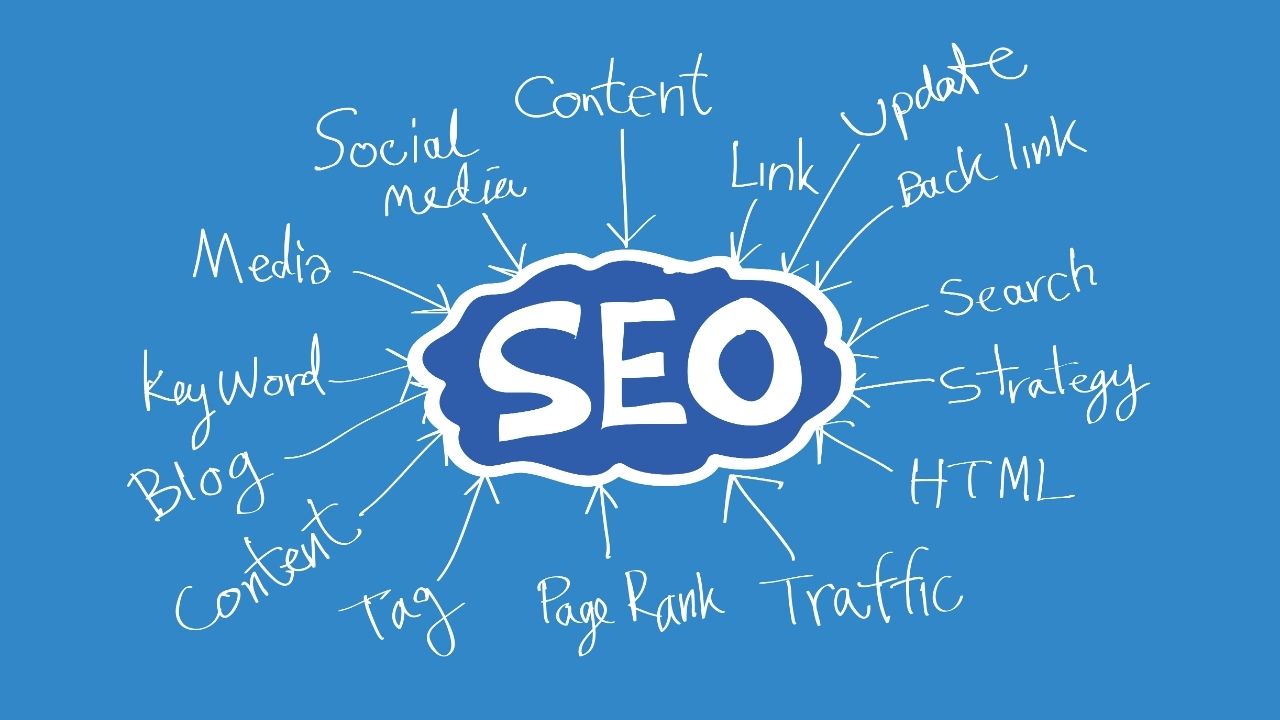
Search Engine Optimization (SEO) And Email Marketing
Read Time:5 Minute, 25 Second
Search engine optimization and email marketing are two of the most powerful tools in digital marketing. While SEO focuses on attracting organic traffic through search engines, email marketing helps businesses build direct relationships with their audience. When used separately, both strategies can deliver strong results. However, when combined effectively, they create a powerful system that drives consistent traffic, engagement, and conversions.
Many businesses overlook the connection between these two strategies, treating them as independent efforts. In reality, SEO and email marketing can complement each other in ways that significantly enhance overall performance. From capturing leads through optimized content to nurturing those leads through targeted email campaigns, the integration of these methods creates a seamless marketing journey. This article explores how SEO and email marketing work together and how businesses can leverage both to achieve long-term success.
Understanding the Role of SEO in Digital Marketing
Search engine optimization is the process of improving a website’s visibility on search engines like Google. By optimizing content, keywords, and technical elements, businesses can attract organic traffic from users actively searching for relevant information or products. This makes SEO a crucial strategy for building long-term online presence.
SEO involves several key components, including keyword research, on-page optimization, and link building. High-quality content plays a central role, as search engines prioritize websites that provide value to users. By creating informative and relevant content, businesses can improve their rankings and attract a steady flow of visitors.
Another important aspect of SEO is user experience. Fast-loading pages, mobile-friendly design, and easy navigation all contribute to better search rankings and higher engagement. For those focusing on seo and email marketing integration strategies, understanding the role of SEO is the first step in creating a strong foundation for digital success.
The Power of Email Marketing in Customer Engagement
Email marketing remains one of the most effective ways to communicate directly with an audience. Unlike social media or search engines, email provides a more personal and controlled channel for delivering messages. Businesses can send updates, promotions, and valuable content directly to subscribers, fostering stronger relationships.
One of the key advantages of email marketing is its ability to segment audiences. By dividing subscribers into different groups based on their interests or behavior, businesses can send targeted messages that resonate more effectively. This personalization increases engagement and improves conversion rates.
Email marketing also supports customer retention. Regular communication keeps the brand top of mind and encourages repeat interactions. Whether through newsletters or promotional campaigns, email allows businesses to maintain ongoing connections with their audience, making it an essential component of any marketing strategy.
How SEO Helps Grow Your Email List
SEO plays a vital role in expanding an email subscriber base. By attracting organic traffic to a website, businesses can convert visitors into subscribers through strategically placed sign-up forms and lead magnets. This creates a steady stream of new contacts who are already interested in the brand’s offerings.
Content marketing is particularly effective in this process. Blog posts, guides, and resources optimized for search engines can draw in users looking for specific information. By offering valuable incentives, such as free downloads or exclusive content, businesses can encourage visitors to join their email list.
Landing pages optimized for SEO can also improve conversion rates. Clear messaging, compelling calls to action, and user-friendly design help turn visitors into subscribers. This synergy between SEO and email marketing ensures that traffic generated through search engines contributes directly to audience growth.
Using Email Marketing to Boost SEO Performance
While SEO helps drive traffic, email marketing can enhance SEO performance by increasing engagement and content visibility. When businesses share their content through email campaigns, they encourage subscribers to visit their website, read articles, and interact with content.
Increased traffic and engagement signals can positively impact search rankings. Search engines consider factors such as time spent on a page and user interaction when determining rankings. By directing email subscribers to valuable content, businesses can improve these metrics and strengthen their SEO efforts.
Email marketing also supports content promotion. Sharing blog posts, updates, and resources through email ensures that content reaches a wider audience. This can lead to more shares, backlinks, and overall visibility, further boosting SEO performance.
Creating a Unified Strategy for Better Results
To maximize the benefits of SEO and email marketing, businesses must adopt a unified strategy. This involves aligning content, messaging, and goals across both channels. By ensuring consistency, businesses can create a seamless experience for their audience.
For example, keywords used in SEO can guide the topics of email campaigns. This ensures that content remains relevant and aligned with audience interests. Similarly, insights from email analytics can inform SEO strategies by highlighting what type of content resonates most with subscribers.
Automation tools can also enhance efficiency. Automated email sequences can nurture leads generated through SEO, guiding them through the customer journey. This integration creates a cohesive system that supports both traffic generation and customer engagement.
Common Mistakes to Avoid When Combining SEO and Email Marketing
While combining SEO and email marketing offers many benefits, there are common mistakes that businesses should avoid. One of the most frequent errors is failing to align content strategies. When SEO and email campaigns are not coordinated, it can lead to inconsistent messaging and missed opportunities.
Another mistake is neglecting user experience. Overloading emails with links or sending irrelevant content can reduce engagement and damage trust. Similarly, poorly optimized landing pages can result in lost conversions, even if traffic levels are high.
Lack of data analysis is also a major issue. Without tracking performance metrics, businesses cannot identify what works and what needs improvement. For those seeking better results, following a complete digital marketing and lead generation guide can help avoid these pitfalls and create a more effective strategy.
Conclusion
Search engine optimization and email marketing are powerful tools on their own, but their true potential is realized when they are combined into a cohesive strategy. By using SEO to attract organic traffic and email marketing to nurture and engage that audience, businesses can create a continuous cycle of growth and interaction. This integration not only increases visibility and conversions but also strengthens relationships with customers over time. Avoiding common mistakes and focusing on alignment, user experience, and data-driven decisions further enhances the effectiveness of these efforts. As digital marketing continues to evolve, businesses that successfully integrate SEO and email marketing will be better positioned to achieve sustainable growth and long-term success.

Happy
0 %

Sad
0 %

Excited
0 %

Sleepy
0 %

Angry
0 %

Surprise
0 %
 0
0
 0
0